
Dead Zones: The Spaces in Your Home You’ve Given Up On (And Why They Matter More Than You Think)
There’s a moment in almost every home—a corner, a wall, a stretch of hallway—where things just…stop.
No intention.
No function.
No real reason it exists other than “we didn’t know what to do with it.”
I call these dead zones.
And they’re quietly keeping your home from ever feeling truly finished.
⸻
What Is a Dead Zone, Really?
It’s not just an empty space.
It’s a space that feels disconnected from the rest of the home, has no clear purpose, and interrupts the flow instead of supporting it.
You’ve probably walked past it a hundred times without thinking twice.
But your brain notices it every single time.
⸻
Why Dead Zones Matter More Than You Think
Here’s the part most people miss: A home doesn’t feel elevated because of the main spaces.
It feels elevated because nothing was overlooked. High-end homes don’t just design the living room and kitchen well—they resolve the in-between moments.
That awkward corner?
That empty wall?
That strange gap between rooms?
That’s where the difference lives.
⸻
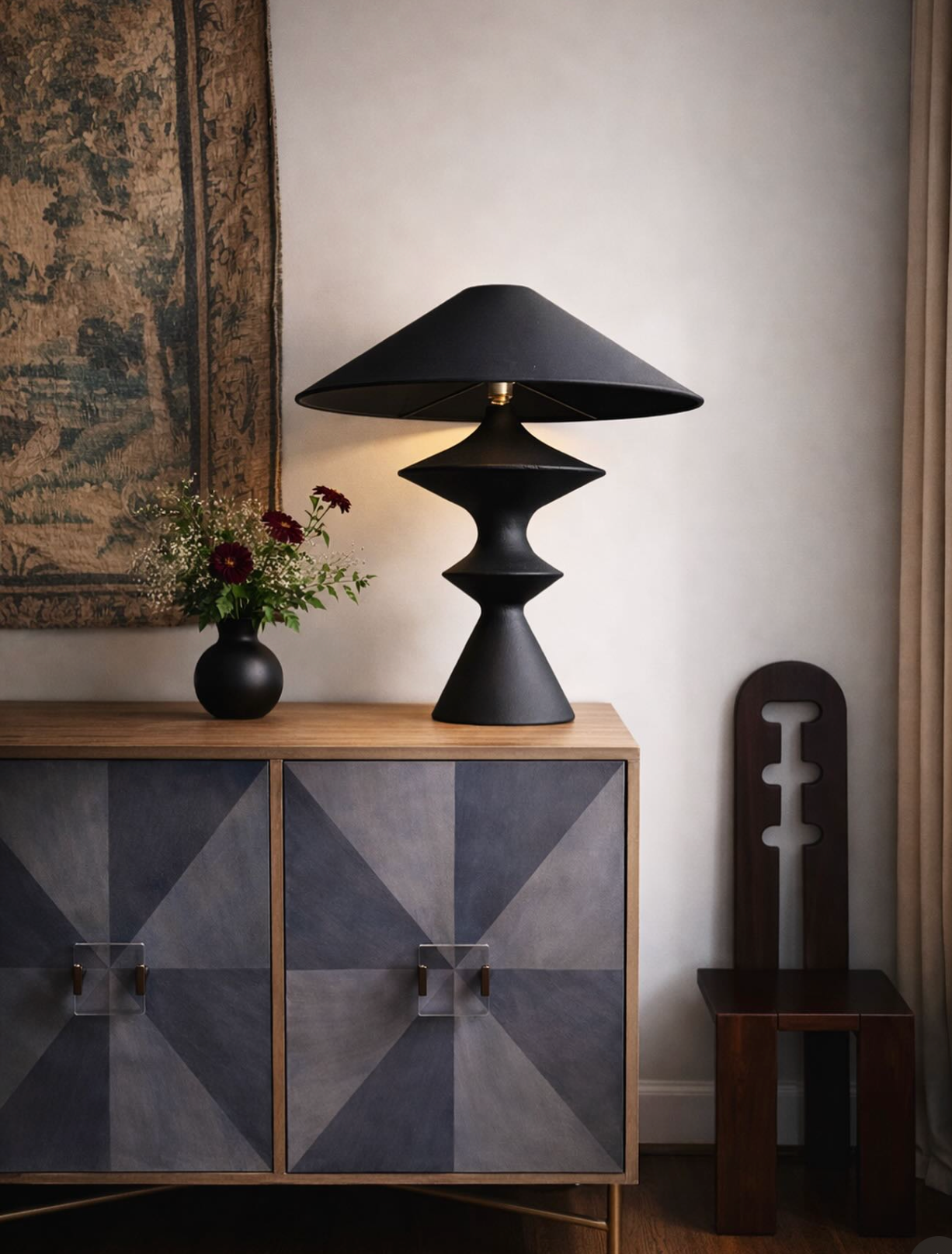
An architectural piece is always a winner when it comes to empty corners-just one piece is all you need.
The Most Common Dead Zones I See
Let’s make this real:
The corner next to a sofa that’s too small for a chair, too big to ignore
The wall at the end of a hallway that’s just…blank (so much opportunity here!)
The space between two rooms that collects nothing but hesitation
The oversized bedroom corner with no clear purpose
The entry area that never quite got finished
These aren’t “small problems;” they’re what make a home feel incomplete.
⸻
How to Identify Yours (In 2 Minutes)
Walk your home slowly—like a guest would.
Pay attention to where you:
hesitate
speed up
avoid looking
Those are your dead zones.
They’re not random.
They’re unresolved.
⸻
What to Do Instead (This Is Where It Changes Everything)
You don’t need more stuff.
You need more intention.
Here’s how to approach it like a designer:
1. Give It a Job
Every space needs a purpose—even a quiet one.
reading moment
visual pause
drop zone
transition space
If it doesn’t have a role, it will always feel off.
⸻
2. Work With Scale (Not Against It)
Most dead zones exist because the scale is wrong.
too small for furniture
too large for decor
awkward proportions
The fix is almost always one strong, correctly scaled element—not multiple small ones.
⸻
3. Create a Moment, Not Filler
This is where people go wrong.
They try to fill the space.
Instead, create something intentional:
a sculptural chair
a large piece of art
a pedestal with a single object
a narrow console with presence
Dead zones don’t need clutter. They need clarity.
⸻
4. Let It Breathe
Not every space needs to be activated.
Some of the most beautiful homes use:
negative space
quiet corners
intentional simplicity
But even that is a decision—not an accident.
⸻
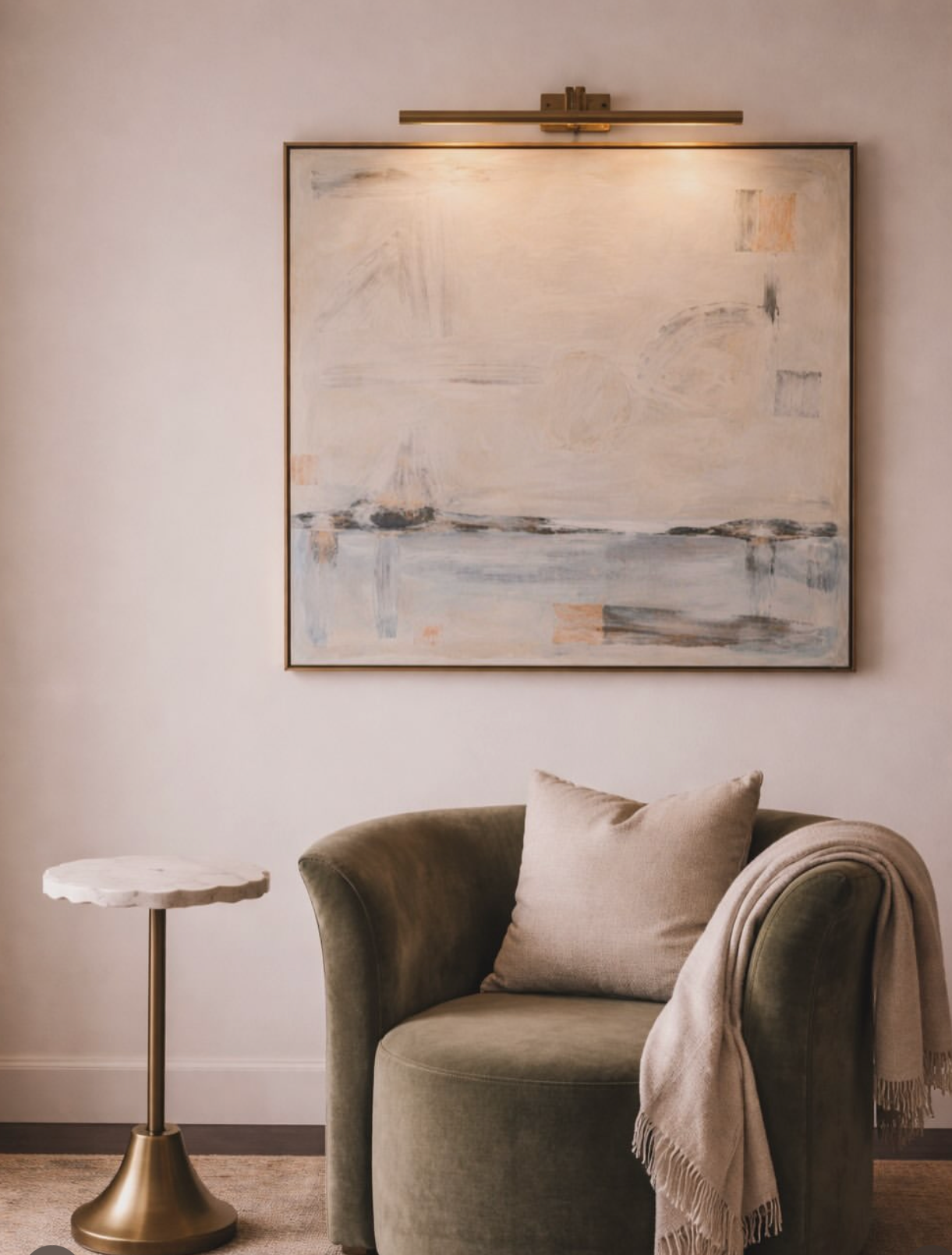
An art moment-big or small-makes a home feel curated in every sense of the word.
The Difference You Can Feel
When dead zones are resolved, something shifts.
Your home stops feeling like a collection of rooms…
and starts feeling like a complete experience.
⸻
Final Thought
Most people focus on what’s missing in their home—
a new sofa, better lighting, different finishes.
But more often than not, it’s the spaces you’ve ignored that are holding everything back.
Love,
Lindsay