
The Details You Don’t Notice—Until They’re Done Wrong
Great design is rarely about the thing everyone sees first.
It’s about the things you feel before you can name them.
The way a room feels calm instead of chaotic.
The way nothing feels accidental.
The way your eye moves through a space without hitting friction.
Those moments don’t happen by chance. They’re built—quietly, intentionally—through decisions most people never realize are decisions at all.
The Difference Between “Pretty” and Well-Designed
Pinterest and Instagram have made it easy to find pretty.
But pretty doesn’t always function well, age well, or feel personal.
Well-designed spaces account for:
• how light moves throughout the day
• how finishes speak to one another, not compete
• how scale and proportion affect comfort
• how a home actually lives
This is why two rooms can use similar colors or materials and feel completely different. One was selected. The other was considered.
Why Good Design Feels Effortless (But Isn’t)
When design is done right, it looks easy. That’s the point.
You don’t notice:
• the outlet placements that were adjusted before drywall
• the trim profiles chosen to suit ceiling height
• the lighting layers that quietly shift the mood from day to night
• the furniture spacing that makes movement feel natural
But you do notice when those things are wrong.
Design is a long series of small decisions that protect you from regret later.
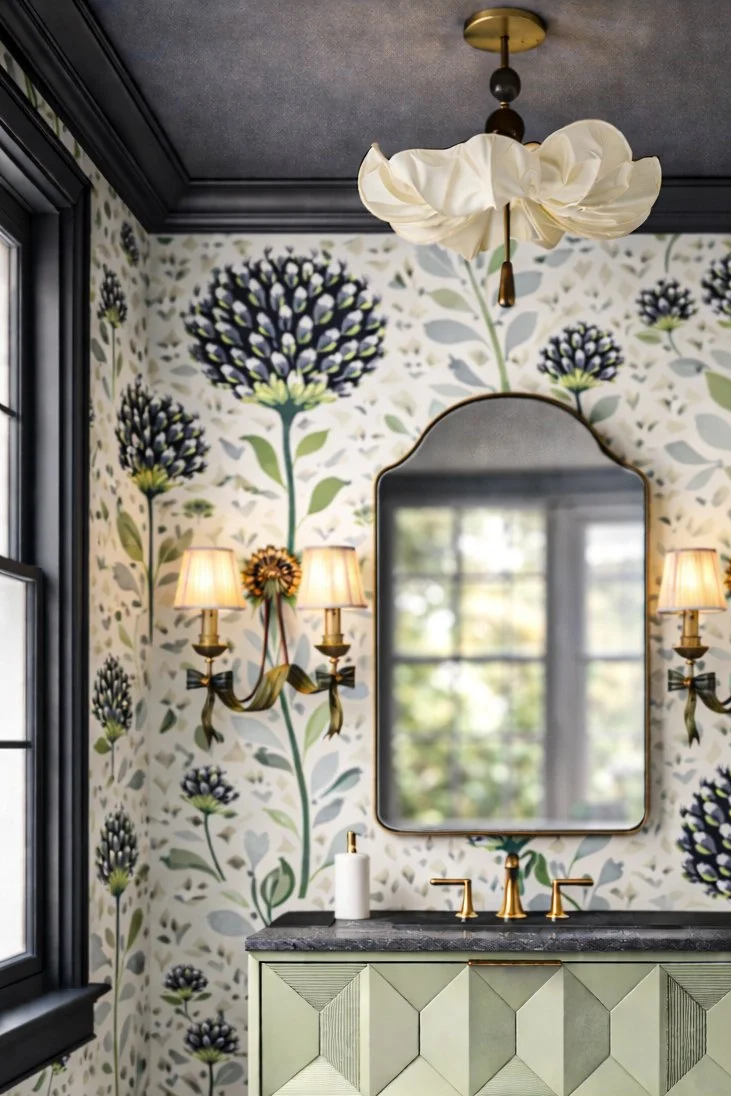
The Finds That Make a Space Feel Finished
The most impactful “finds” are rarely the loudest pieces.
They’re the connectors.
The hardware that grounds a kitchen.
The lamp that softens a corner.
The textile that pulls warmth into a room without shouting.
These are the pieces that don’t scream for attention—but without them, the room feels unresolved. They’re also the pieces clients tell us they never would’ve thought to source on their own.
And that’s where design becomes more than decoration.
Designing for Real Life (Not Just the Photo)
A home should photograph beautifully—but more importantly, it should support the people living in it.
That means:
• choosing materials that age gracefully
• planning layouts that anticipate daily routines
• designing spaces that feel layered, not staged
• creating rooms that still feel good after the novelty wears off
Trends come and go. Good design settles in and stays.
What We Believe at House of Life and Love
We believe your home should feel intentional, calm, and deeply personal.
We believe you shouldn’t have to make hundreds of decisions alone.
And we believe the best spaces are the ones that feel like they were always meant to be that way.
The details matter—because they’re the difference between a house that looks good online and a home that truly works for your life.
If you’ve ever walked into a room and felt instantly at ease without knowing why…
that’s not magic.
That’s design, done well.
Love,
Lindsay