
10 Little-Known Home Decor Ideas Designers Use (That Most Homes Are Missing)
Most home decor advice revolves around the same recycled ideas—throw pillows, accent walls, and gallery frames. But professional designers rely on a quieter set of tricks that rarely make it onto Pinterest boards.
These details don’t scream for attention. They quietly make a home feel intentional, calm, and elevated.
Here are 10 underused decor ideas you can apply immediately—no renovation required.
1. “Anchor Pieces” Before Accessories
Instead of starting with decor objects, start with one visual anchor per room:
A large mirror
A bold rug
An oversized artwork
A sculptural light fixture
Once the anchor is placed, everything else becomes easier—and cheaper. Homes that feel “cluttered” are often missing a single strong anchor, so everything competes instead of supporting.
2. The Two-Texture Rule
Every surface should be balanced by its opposite texture.
Examples:
Sleek table → soft runner
Linen sofa → metal side table
Glossy cabinetry → matte ceramics
This prevents the room from feeling flat or overly polished. Texture contrast is what makes a space feel designed, not staged.
3. Decor in Odd Numbers (But Not the Way You Think)
Most people know “odd numbers look better,” but the real trick is:
Group by visual weight, not quantity
A tall vase + a small bowl + a medium frame works better than three identical candles. Your eye reads mass, not numbers.
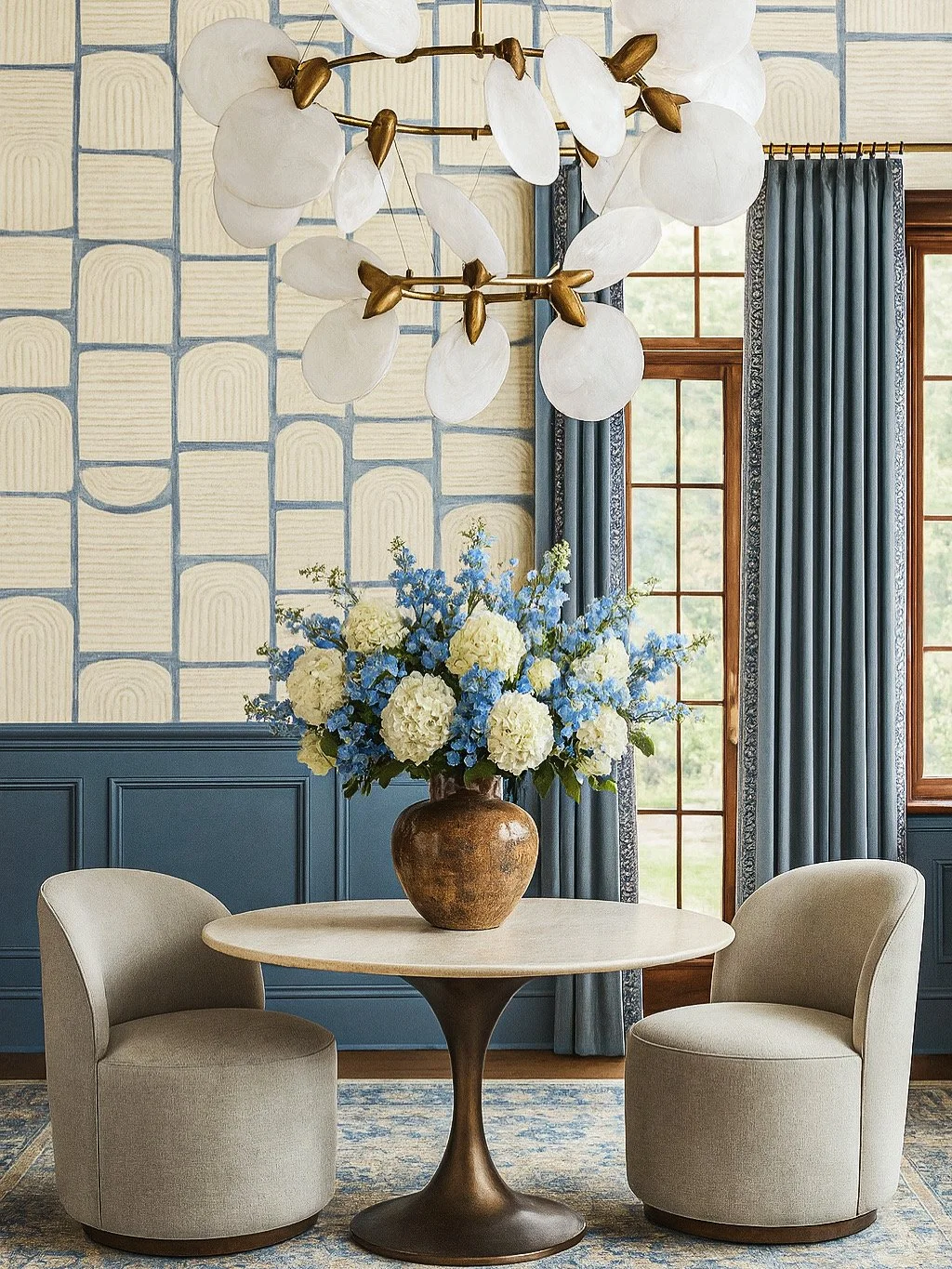
Design by House of Life and Love
4. Layered Lighting Is More Important Than Color
Instead of focusing on wall color, focus on three light sources per room:
Ambient (ceiling)
Task (lamp, pendant)
Accent (hidden or decorative)
Even a plain white room looks expensive when the lighting is layered correctly.
5. Negative Space Is a Decor Element
Leaving space empty is not a failure—it’s a design decision.
Countertops, shelves, and side tables look better when:
At least 30–40% is intentionally left clear
Crowding every surface makes even luxury decor look cheap.
6. “Sightline Styling”
Your home is experienced in movement, not still photos.
Stand at:
The front door
The hallway
The bedroom entrance
Style what you see first at each of these points:
A plant
A mirror
A lamp
A simple console moment
This creates a subconscious sense of order and calm.
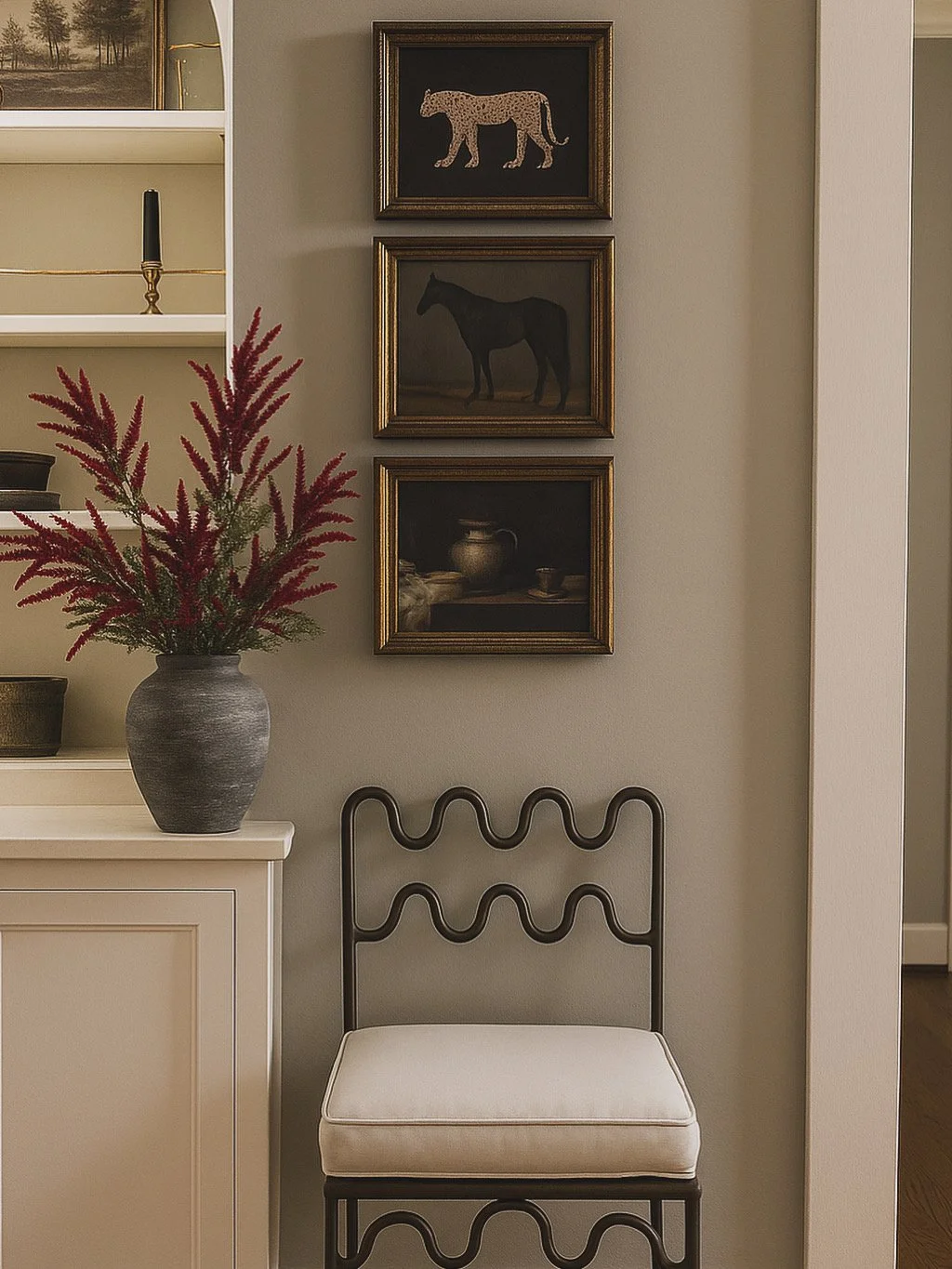
Design by House of Life and Love
7. Soft Symmetry Instead of Perfect Symmetry
Perfect symmetry feels like a hotel showroom.
Instead, use:
Same height, different objects
Same shape, different materials
Same color, different scale
This keeps the space balanced but still human.
8. One Unexpected Material Per Room
Every room should have one element that slightly breaks the theme:
Wood in a modern room
Stone in a soft, neutral room
Linen in a glossy, high-contrast space
This creates tension—what makes interiors feel curated instead of predictable.
9. Decor That Casts Shadows
This is a designer secret most people never consider.
Use:
Slatted lamps
Sculptural objects
Woven pendants
Ribbed glass
During evening hours, these cast shadows that add depth and mood—something paint alone can’t achieve.
10. The “Living” Decor Layer
The final layer of any well-designed home is something that changes over time:
Fresh flowers
Branches
Seasonal fruit in bowls
Rotating books
Textiles that shift with weather
This keeps the home from feeling frozen or staged.
Why These Small Decor Choices Matter More Than Big Furniture
Large furniture defines function.
Small decor details define emotion.
They shape whether your home feels:
Calm or chaotic
Warm or sterile
Thoughtful or accidental
Expensive homes don’t feel better because of budget alone—they feel better because of restraint, layering, and intention.
Final Thought: Good Decor Is Quiet
The most beautiful homes rarely rely on trends.
They rely on:
Balance
Texture
Light
Negative space
One or two unexpected moments
When these are right, everything else looks right too.
Love,
Lindsay