
Enfilade (ahn-fee-LAHD): The Forgotten Design Principle Making Luxury Homes Feel Better
Most people can identify beautiful paint colors, statement lighting, or stunning wallpaper. Few can explain why some homes simply feel better than others.
The answer often has nothing to do with furniture, finishes, or décor.
It has everything to do with a centuries-old architectural concept called the enfilade.
If you’ve ever walked through a historic home and felt a sense of grandeur, calm, and effortless flow, chances are you were experiencing an enfilade without even realizing it.
Today, this forgotten design principle is quietly making its way back into modern homes—and it’s one of the reasons some spaces feel timeless while others feel disconnected.
What Is an Enfilade?
An enfilade is a series of rooms arranged along a single axis so that doorways align perfectly, allowing you to see through multiple spaces at once.
The concept became popular in European palaces and grand estates during the 17th and 18th centuries. Instead of hallways connecting rooms, the rooms themselves formed a visual sequence.
Stand in one room, and you could look through three, four, or even five rooms beyond.
The result was dramatic, elegant, and surprisingly practical.
The Palace of Versailles is perhaps the most famous example, where aligned rooms create long visual corridors stretching through the palace.
While today’s homes are very different from royal residences, the underlying principle remains incredibly powerful.
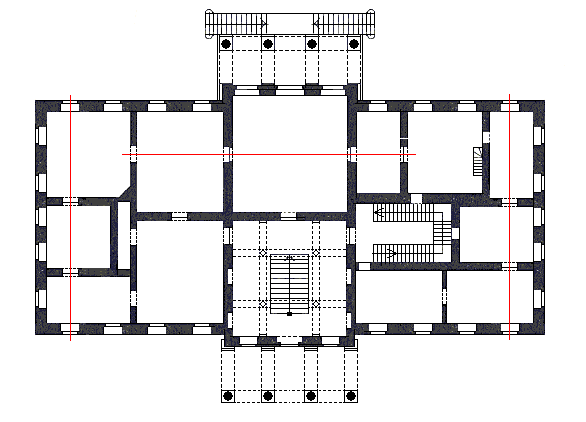
This is an example of an Enfilade floor plan.
*This image is intended for educational purposes only
Why It Feels So Good
Humans instinctively seek order.
When spaces align visually, our brains can process the environment more easily. We subconsciously understand where we are and where we can go next.
The result is a feeling that designers often describe as:
Calm
Cohesive
Intentional
Spacious
Luxurious
Ironically, a home does not need to be larger to feel grander.
Many homes feel cramped because walls, doorways, and sightlines interrupt the visual experience.
An enfilade does the opposite.
It creates depth without adding square footage.
The Modern Home Lost This Principle
Many homes built over the last several decades prioritized function, privacy, and maximizing room count.
As a result:
Hallways became longer
Rooms became more isolated
Doorways stopped aligning
Visual connections disappeared
While these layouts solved certain practical problems, they often sacrificed the sense of flow found in older homes.
This is one reason many historic homes feel charming despite having less square footage.
The architecture itself creates an experience.
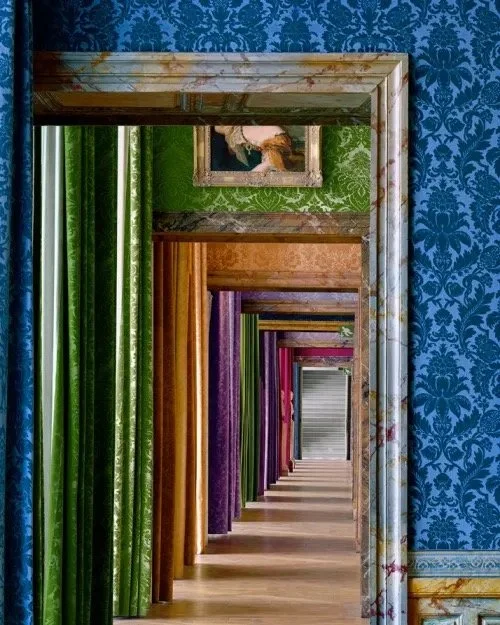
An example of how cool an enfilade look can be!
*This image is intended for educational purposes only
How Designers Use Enfilade Principles Today
Most modern homes aren’t going to feature six formal salons connected in a straight line.
However, designers regularly borrow the underlying ideas.
Creating Intentional Sightlines
One of the first things experienced designers evaluate is what you see when entering a room.
A perfectly framed view through a dining room to a window beyond instantly creates depth.
Aligning Architectural Features
When possible, designers align:
Doorways
Openings
Built-ins
Lighting fixtures
Windows
These subtle alignments create visual harmony that homeowners often notice without understanding why.
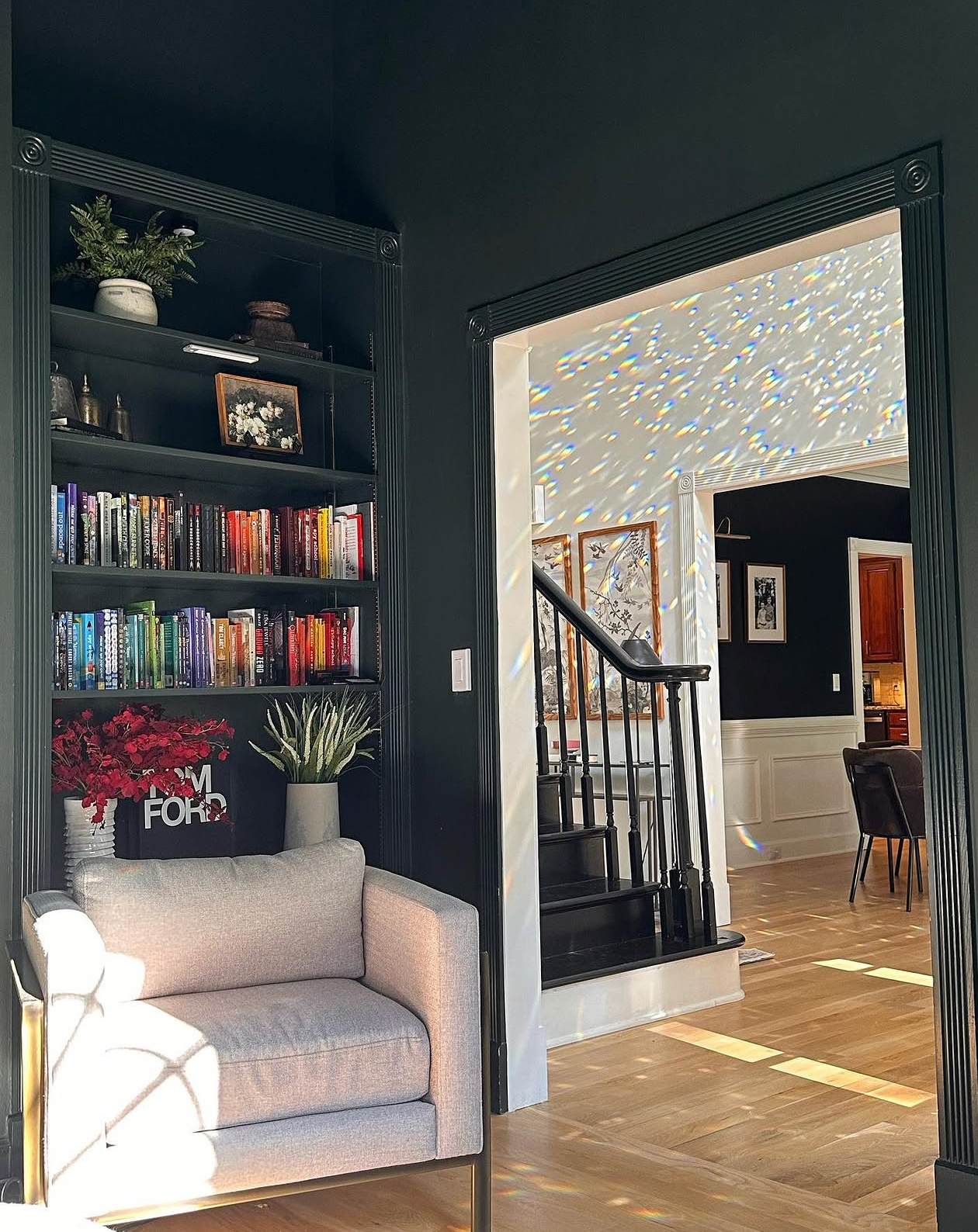
There are many ways to create this feeling in your own home.
Using Furniture to Reinforce Flow
Furniture placement can either strengthen or interrupt sightlines.
A carefully positioned console, sofa, or dining table helps guide the eye naturally through a space.
Layering Rooms Visually
One of the hallmarks of luxury interiors is the ability to glimpse the next room:
A beautiful wallpaper in the distance.
A dramatic chandelier beyond an opening.
A fireplace framed through a doorway.
These visual moments create curiosity and make a home feel larger and more sophisticated.
Why Luxury Homes Often Feel Different
Many people assume luxury comes from expensive materials.
While quality certainly matters, true luxury is often about proportion, composition, and flow.
High-end homes frequently feature:
Strong axial views
Carefully aligned openings
Balanced room relationships
Long sightlines
Architectural symmetry
These principles create a sense of order that feels both elegant and effortless.
The homeowner may never consciously identify the reason. They simply feel it.
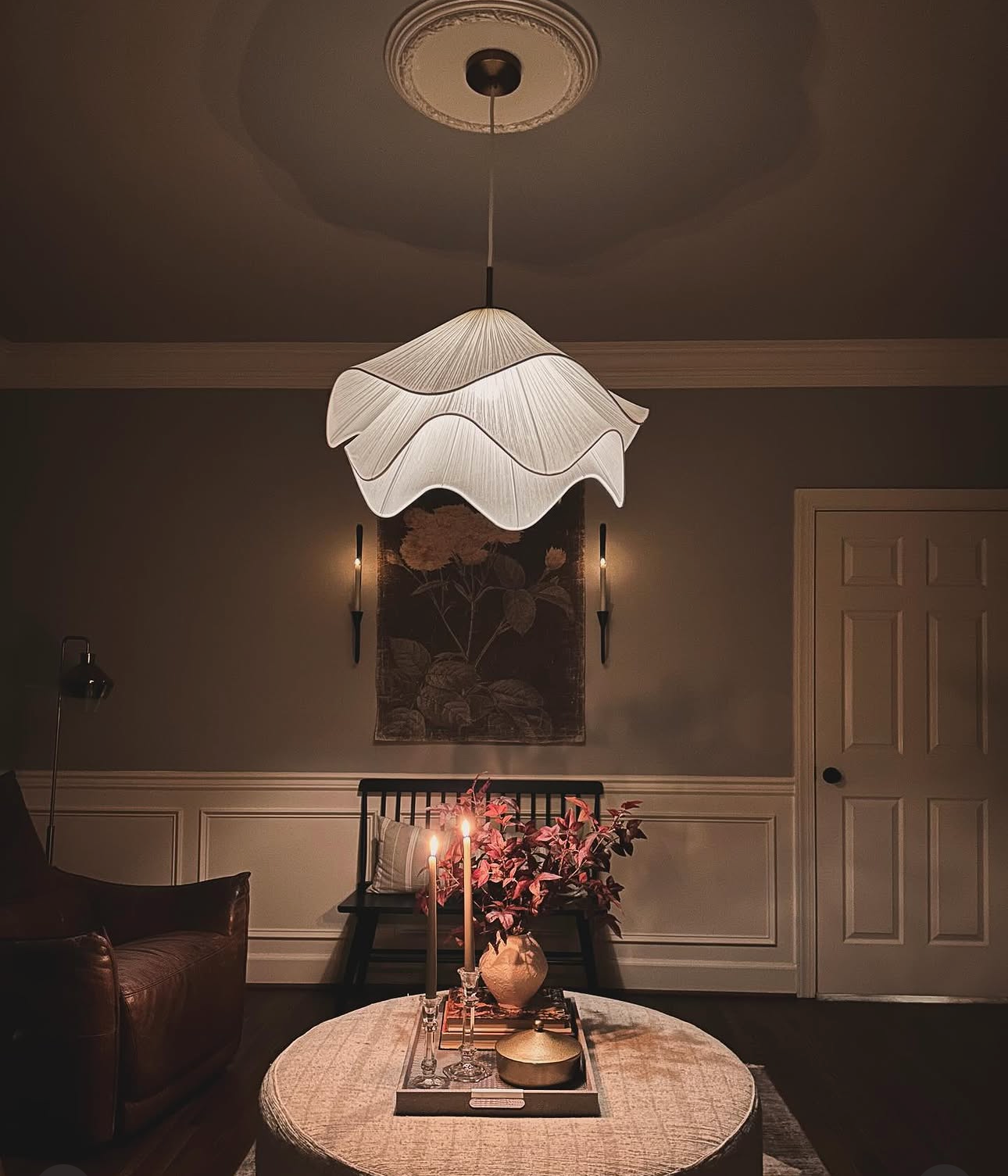
Creating a line of sight is one way to do it when you don’t have multiple rooms lined up.
How to Use This Concept in Your Own Home
You don’t need to build a palace to benefit from enfilade thinking.
Start by asking:
What do I see when I stand at my front door?
What do I see when I enter the living room?
Where does my eye naturally travel?
Even small changes can dramatically improve visual flow:
Removing unnecessary furniture
Widening a doorway during a renovation
Aligning lighting fixtures
Using consistent paint colors across connected spaces
Framing a focal point at the end of a sightline
Sometimes the most impactful design decisions aren’t decorative at all. They’re architectural.
The Takeaway
Design trends come and go.
Wallpaper patterns change.
Paint colors evolve.
Furniture styles shift.
But the principles that make a home feel beautiful have remained remarkably consistent for centuries.
The enfilade is one of those principles. It’s a reminder that great design isn’t always about what you add to a room. Sometimes it’s about what you can see beyond it.
And in a world obsessed with finishes and furnishings, that may be one of the most overlooked design lessons of all.
Love,
Lindsay