
The Rooms We Thought We Didn’t Need Are Making a Comeback
For years, bigger was better.
We knocked down walls. We opened floor plans. We combined kitchens, dining rooms, living rooms, and gathering spaces into one large area designed to do everything.
And for a while, it made perfect sense.
Families wanted connection. Parents wanted to keep an eye on children while cooking dinner. Entertaining became more casual. Formal spaces felt unnecessary.
But something interesting is happening.
The rooms we spent decades eliminating are quietly making a comeback.
Not because people suddenly want formality.
Because people are craving purpose.
The Problem with Rooms That Do Everything
Open-concept living solved many problems, but it created a few new ones.
The kitchen became the office.
The dining table became the homework station.
The living room became the media room.
The family room became the playroom.
Every space began serving multiple functions at once.
And while flexibility sounds appealing, many homeowners are discovering that when every room does everything, it can feel like no room does anything particularly well.
We are surrounded by activity, but often lacking places designed for focus, conversation, rest, or reflection.
The Return of Purposeful Spaces
Today, clients aren’t necessarily asking for formal living rooms.
They’re asking for places to read.
Places to work.
Places to have coffee in the morning.
Places to sit without a television.
Places where the entire family isn’t staring at a screen.
In other words, they’re asking for rooms with purpose.
Libraries are returning.
Keeping rooms are returning.
Breakfast rooms are returning.
Sculleries and walk-in pantries are returning.
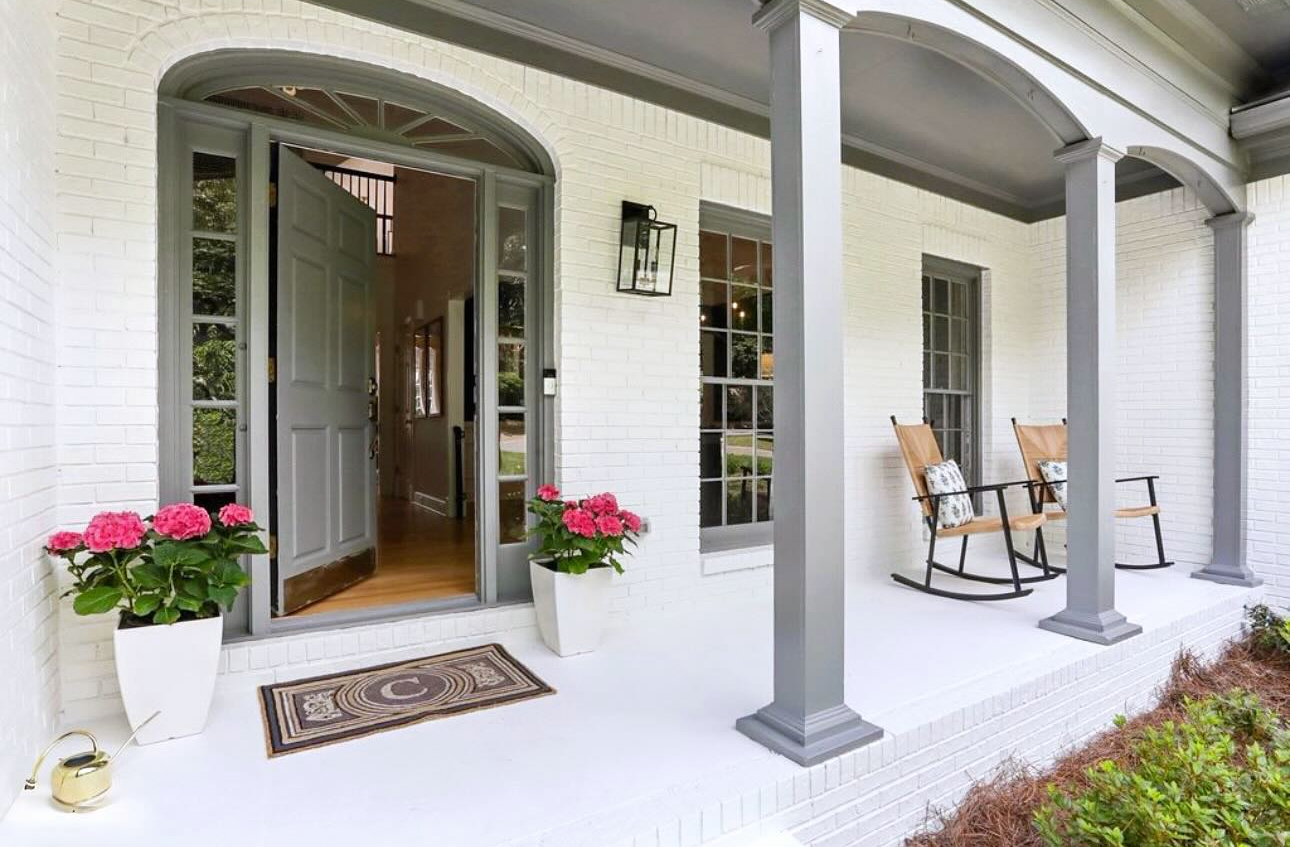
Even front porches are making a comeback.
Not because they’re trendy, but because they offer something modern life often lacks: intention.
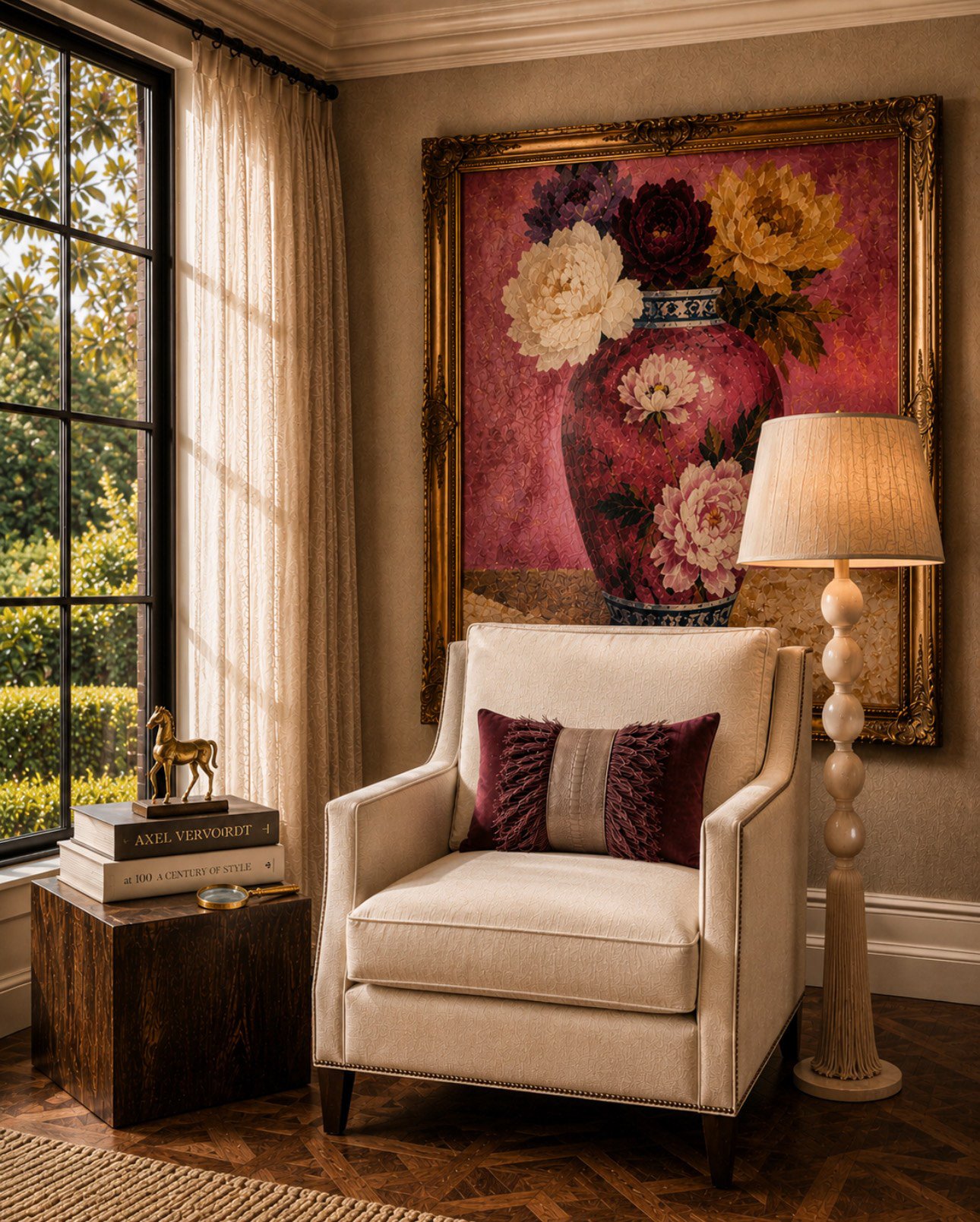
After years of designing spaces that could do everything, we’re rediscovering the beauty of rooms designed to do one thing exceptionally well.
Why Front Porches Matter
Before social media, before smartphones, before streaming services, the front porch was one of the most important rooms in a home.
It connected us to our neighbors.
It encouraged conversation.
It blurred the line between private and public life.
Today, many homes have larger back patios than front porches. We retreat to the backyard and often never interact with the people living twenty feet away.
Yet we’re also experiencing unprecedented levels of loneliness.
Perhaps that’s not entirely a coincidence. The spaces we build influence the lives we live.
Why Dining Rooms Are Surviving
For years, the dining room was considered wasted square footage.
Many homeowners preferred larger kitchens or oversized islands.
Yet recently, we’ve seen a renewed appreciation for dedicated dining spaces.
Not because people are hosting formal dinners every weekend.
Because gathering around a table remains one of the most meaningful ways we connect.
A dining room isn’t really about dining.
It’s about conversation.
It’s about lingering.
It’s about creating moments where people face one another instead of a screen.
The Luxury of Separation
For years, luxury meant bigger spaces.
Today, luxury increasingly means having the right spaces.
A quiet reading room.
A tucked-away office.
A scullery that keeps everyday mess out of sight.
A sitting room designed purely for conversation.
In many ways, homeowners are beginning to prioritize quality of experience over sheer square footage.
The most desirable homes aren’t necessarily the largest.
They’re often the ones that support the way people actually want to live.
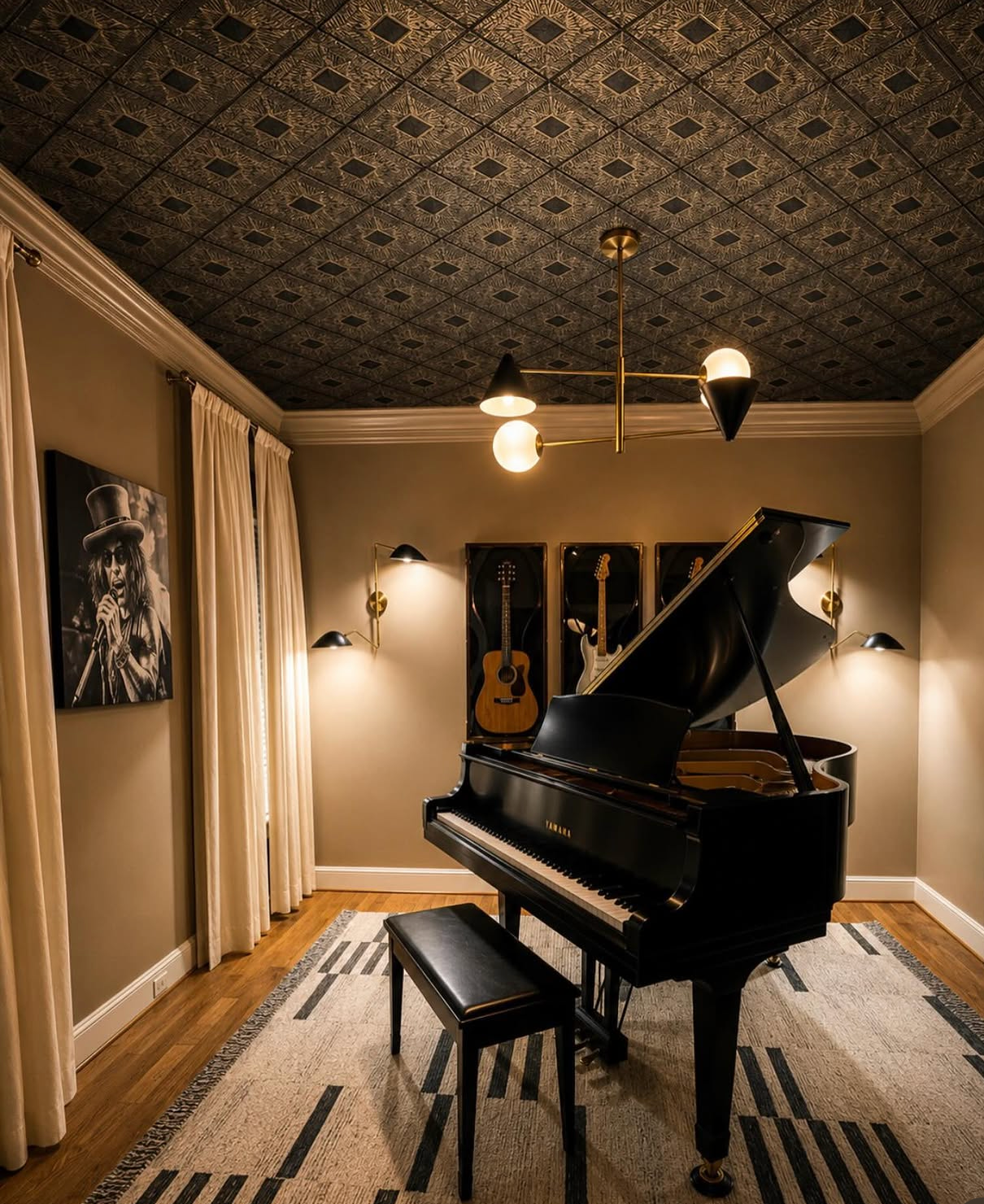
One of our favorite projects designed for the purpose of music only.
What This Means for Design
Design trends come and go.
Lifestyle shifts tend to stay.
The renewed interest in purposeful rooms tells us something important.
People are craving boundaries again. Not walls for the sake of walls.
But spaces that help define how we spend our time.
A room dedicated to reading encourages reading.
A dining room encourages gathering.
A front porch encourages connection.
A library encourages curiosity.
The rooms themselves don’t change our lives.
But they can make certain kinds of living easier.
And perhaps that’s why the rooms we thought we didn’t need are finding their way back into our homes.
After years of designing spaces that could do everything, we’re rediscovering the beauty of rooms designed to do one thing exceptionally well.
Love,
Lindsay