
How Homes Are Being Designed Differently in 2026
In 2026, the biggest shift in interior design isn’t really about colors, finishes, or even “trends.” It’s about how people are using their homes. After years of designing beautiful spaces, we’re seeing clients think more intentionally about how their rooms function in real life — not just how they photograph. The result? Some of the most familiar spaces in the home are finally being designed differently, with more purpose, personality, and practicality than ever before.
The Butler’s Pantry: From Pretty Pass-Through to True Workhorse
Once treated as a decorative moment tucked behind the kitchen, the butler’s pantry has evolved into a serious prep space in 2026. Homeowners are prioritizing function here just as much as beauty — think appliance garages, dedicated coffee and beverage zones, hidden outlets, and surfaces that can actually withstand daily use. Instead of fragile finishes, we’re seeing more textured tile, stone countertops, and warm metals that age beautifully over time. The modern butler’s pantry isn’t just a backdrop for styled photos — it’s an extension of the kitchen that works just as hard as the main space.
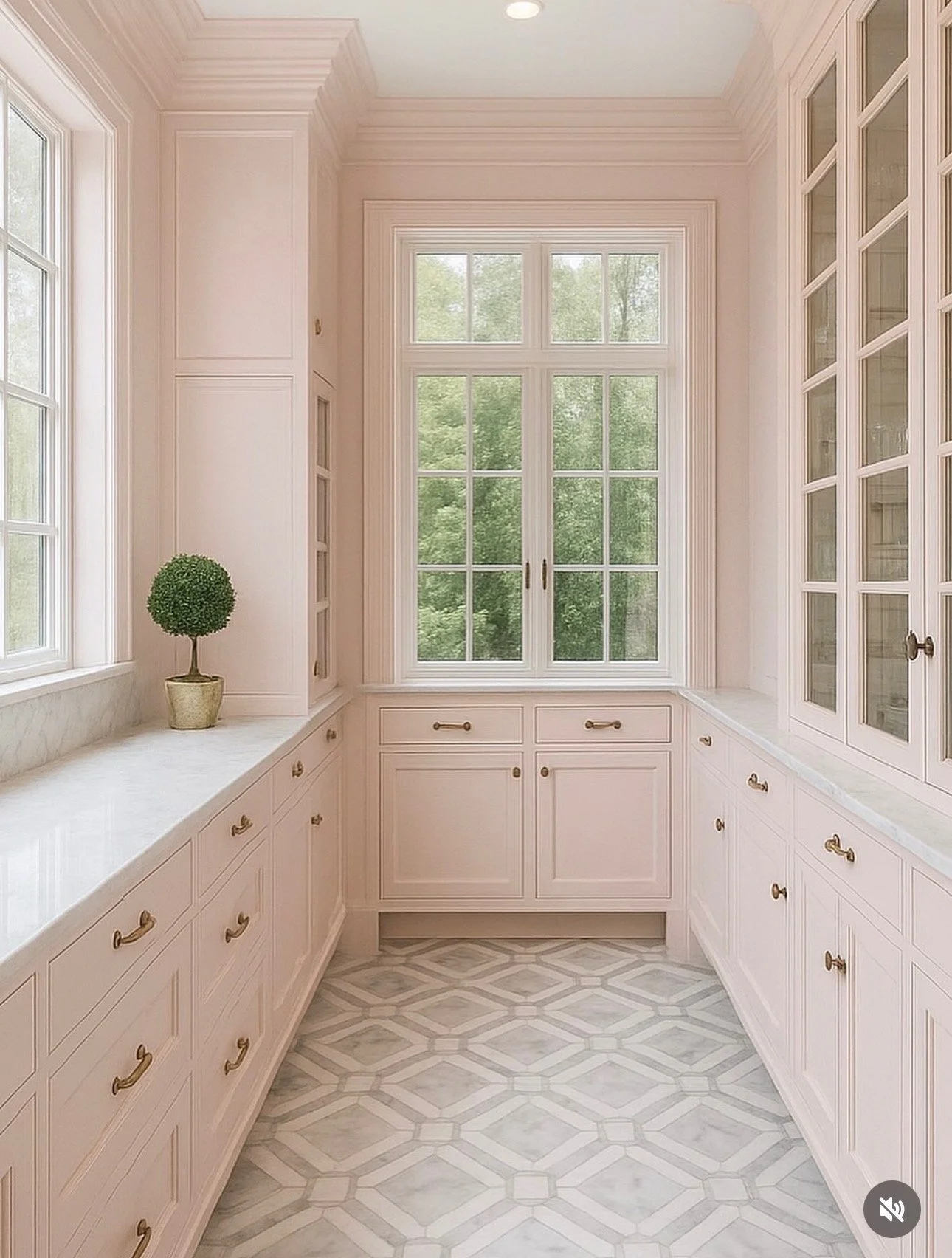
We are thinking more about our purpose in each space versus aesthetics only, and It’s helping us level up in life.
The Mudroom: The Family Command Center
Mudrooms are no longer an afterthought. In 2026, they’re being designed as true family command centers with intentional storage for backpacks, sports gear, shoes, and everything that comes in and out of the house each day. Custom built-ins, dedicated drying zones, hidden trash and recycling, and thoughtful lighting make these spaces both practical and polished. This is where thoughtful design and smart construction truly intersect — a space that supports real life while still feeling considered and beautiful.
The Primary Bathroom: Less Spa, More Lounge
Primary bathrooms are shifting away from the sterile, hotel-spa aesthetic and leaning into something warmer and more layered. In 2026, these spaces feel more like private lounges than purely functional rooms. We’re incorporating upholstered stools, vintage rugs, artwork, and softer lighting to bring depth and character. Showers are getting larger, glass enclosures are becoming less dominant, and natural materials like stone, plaster, and wood are playing a bigger role. The result is a bathroom that feels inviting, personal, and designed to be enjoyed— not just used.
The Living Room: No Longer TV-First
The traditional TV-centered living room is being reconsidered. More homeowners are prioritizing conversation, connection, and atmosphere over screen placement. Seating is arranged to encourage interaction, with layered lighting through table lamps, sconces, and floor lamps instead of relying solely on overhead fixtures. Architectural details, built-ins, and intentional focal points are taking center stage, allowing the room to feel balanced and purposeful—whether the television is on or not.
The Pantry: A Small Room with Big Design Impact
Pantries are becoming mini design moments rather than purely utilitarian storage spaces. In 2026, we’re seeing more custom cabinetry, thoughtful organization systems, beautiful hardware, and even wallpaper in these often-overlooked rooms. Homeowners want their pantry to be just as considered as the rest of their home — tidy, functional, and visually pleasing rather than a cluttered space hidden behind closed doors.
At the end of the day, design in 2026 feels less about following trends and more about creating homes that truly support the way people live. Whether it’s a hardworking mudroom, a lounge-worthy bathroom, or a living room designed for real connection, the most beautiful spaces are those that are shaped with intention—not just aesthetics.
Love,
Lindsay