
Why Good Design Should Make You Feel a Little Uncomfortable
Good design isn’t always immediately comfortable.
That might sound counterintuitive, especially in a world where homes are expected to feel cozy, familiar, and effortlessly “right” the moment you walk in. But the spaces that stay with us—the ones that feel layered, thoughtful, and deeply personal—almost always include a moment of pause.
That pause is not a flaw.
It’s the point.
Comfort Isn’t the Same as Good Design
Comfort and good design are often confused as the same thing, but they serve different purposes.
Comfort is familiarity. It’s symmetry, repetition, and choices that feel safe because we’ve seen them before. Good design, however, is about engagement. It asks you to slow down, to notice, and to stay present in the space a little longer.
Rooms that follow every rule perfectly may look “correct,” but they rarely feel memorable. They don’t invite curiosity or reveal anything new over time.
The Pause Is Where Design Begins
In truly well-designed spaces, there is usually at least one element that causes a subtle pause:
A piece of art that feels slightly oversized
A chair placed where you wouldn’t instinctively put it
A color that feels bold at first glance
A layout that gently breaks symmetry
That moment of uncertainty isn’t discomfort in a negative sense. It’s your brain engaging with the space instead of passing through it on autopilot.
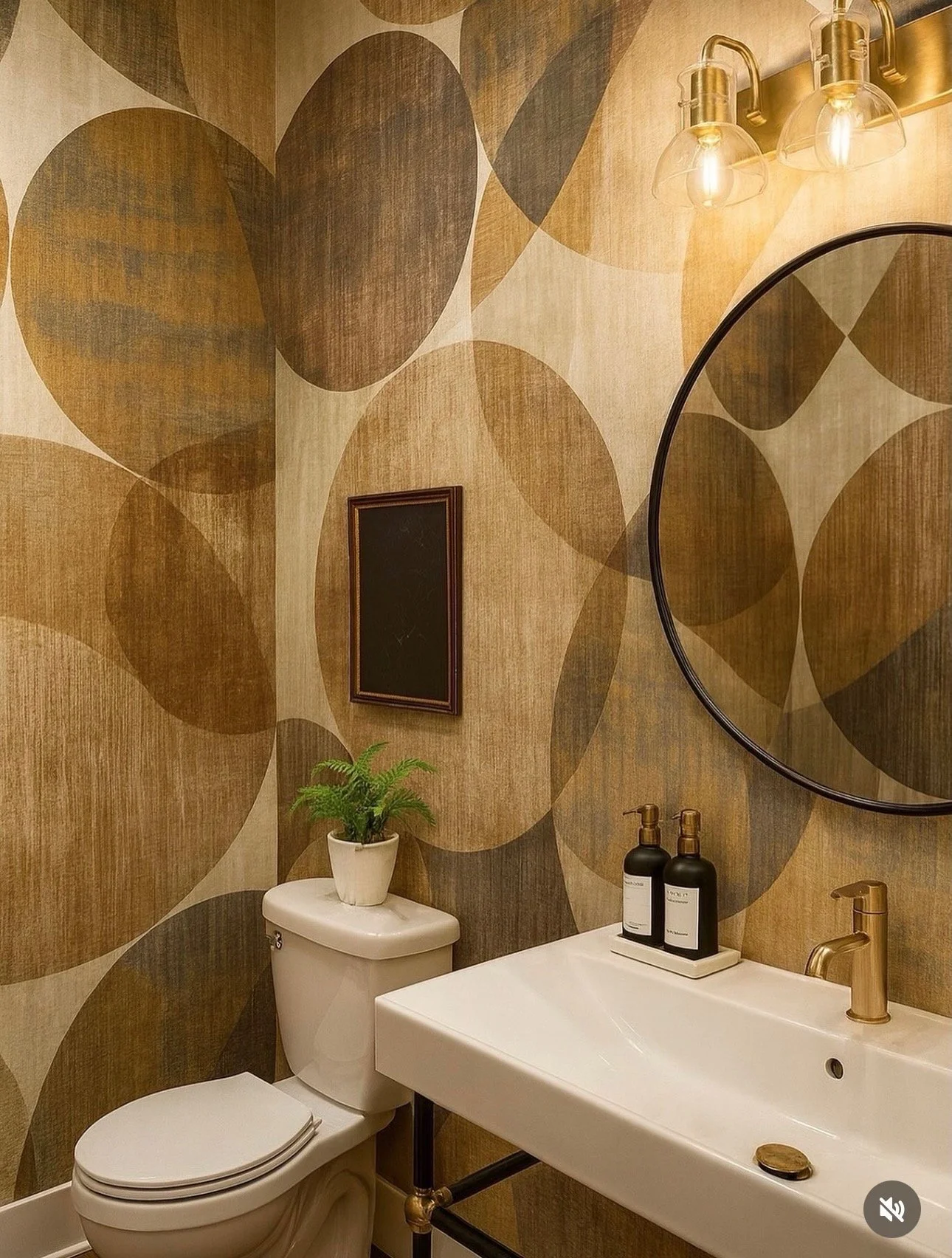
This was our most liked photo of 2020. Is it everyone’s cup of tea? No. BUT, it makes you stop and notice the art for what it is, and that’s what good design does-it asks something of you before you even notice.
Why Familiar Spaces Feel Forgettable
When everything in a room is instantly recognizable and immediately understood, the brain processes it quickly and moves on. There is nothing to interpret, nothing to discover, nothing that holds your attention.
This is why so many rooms can be objectively “nice” yet emotionally flat. They are pleasant, but they don’t linger.
Good design resists that kind of forgettability.
Decorated vs. Designed
Decorated rooms aim to please right away. Designed rooms are willing to challenge you — just a little.
At first, you might think:
Is this too bold?
Is that the right scale?
Would I have chosen this on my own?
And then something shifts. The room begins to feel intentional. Layered. Alive. What once felt unfamiliar starts to feel inevitable.
That’s the transition from decoration to design.
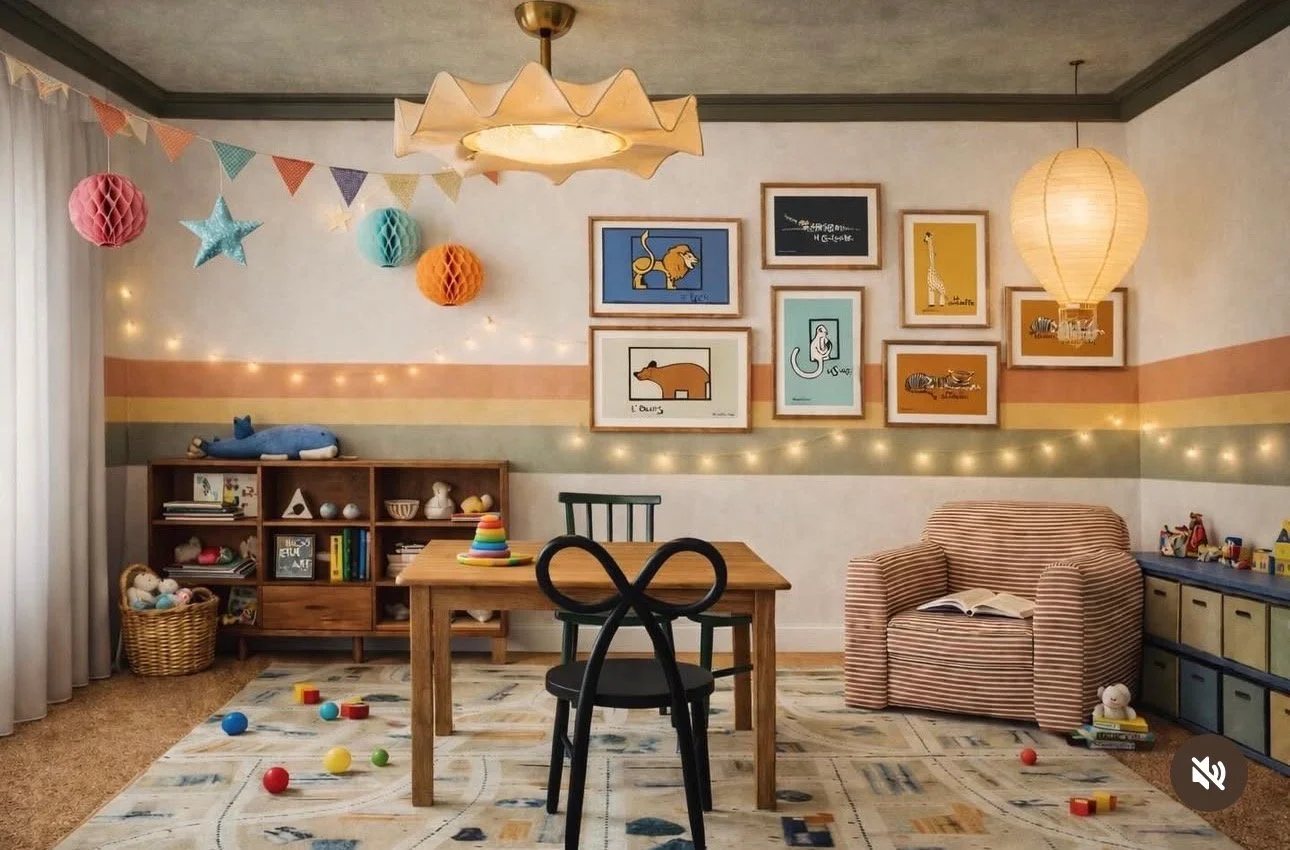
The stripe and the color capped ceiling are the pauses in this space.
Why We Design This Way
We don’t design homes to impress in a single moment or photograph well for five seconds on social media.
We design homes to be lived in.
Spaces that reveal themselves slowly tend to age better. They feel personal instead of performative. They evolve with the people who live in them, rather than chasing trends that fade quickly.
The Quiet Confidence of Luxury
True luxury rarely plays it safe.
It’s confident enough to make an unexpected choice.
It trusts proportion over trends.
It allows a room to feel slightly unresolved at first.
That confidence is what creates depth, character, and longevity.
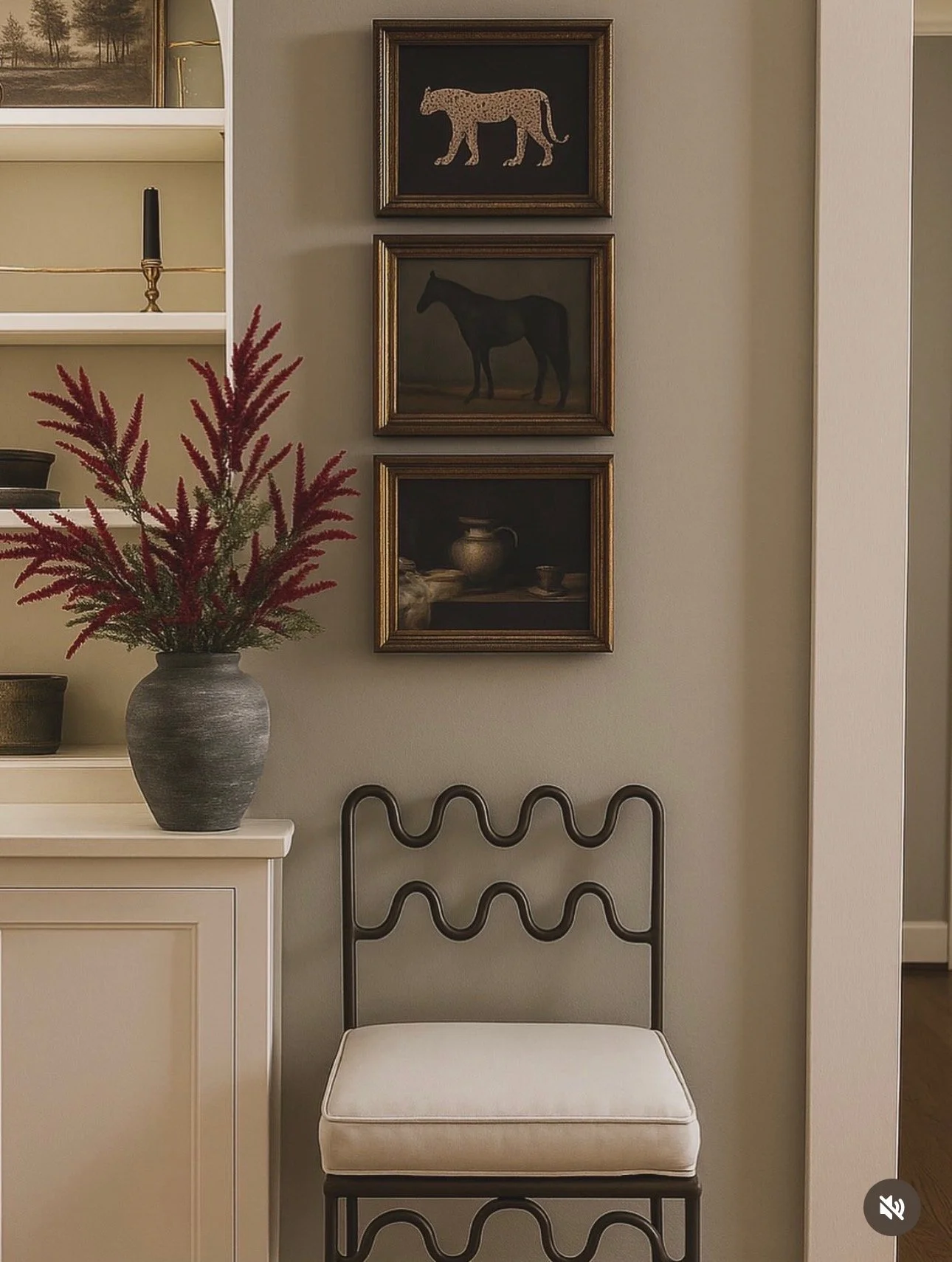
Final Thought
If a room makes you feel instantly comfortable, it may be doing its job.
But if a room makes you pause—if it asks something of you before it gives everything back— that’s the kind of design that stays with you.
And that’s always the goal.
Love,
Lindsay